



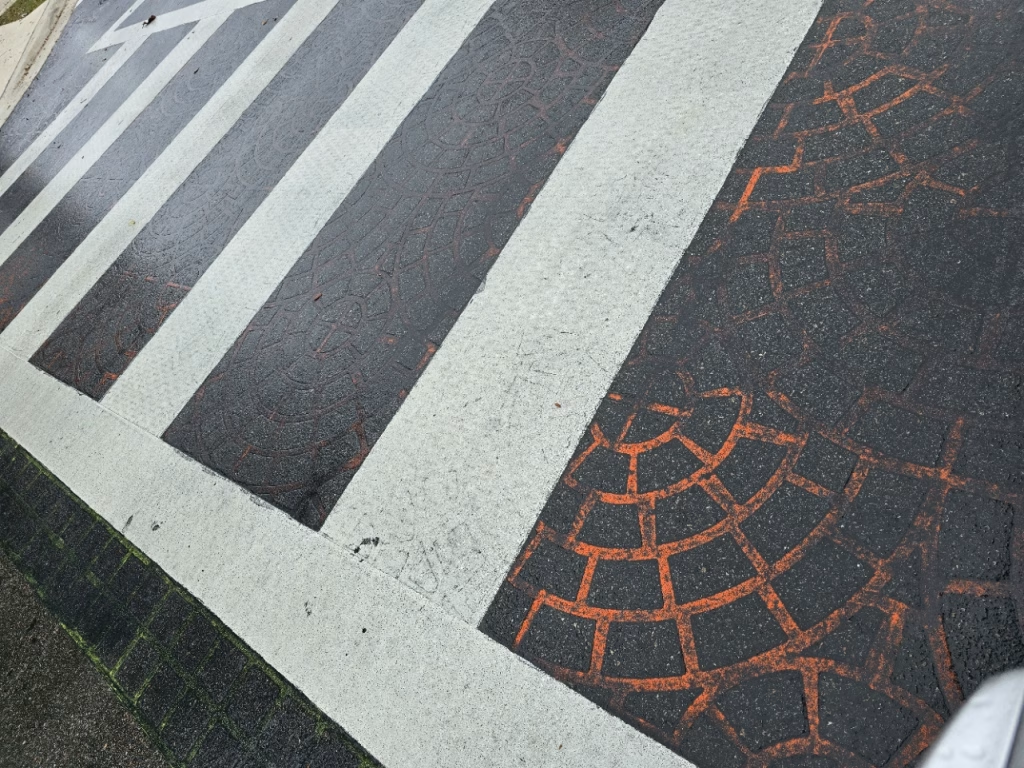
Florida’s campaign to remove or cover “non-conforming” crosswalks is running into a basic problem: the paint isn’t holding up. In cities across Central Florida, black paint applied to meet state crosswalk rules is already wearing away, exposing the original colored design underneath, like in the above photo of a crosswalk in the SoDo Main Street District, just south of Downtown Orlando.
The resurfacing colors are the latest development in a statewide dispute over decorative street markings, including rainbow crosswalks tied to LGBTQ Pride and memorial sites. The Independent reported that Seminole County spent about $31,000 to cover its crosswalks with black paint, only to see that coating begin to fade a few months later.
The issue started last summer, when the Florida Department of Transportation warned cities that non-standard pavement markings can put transportation funding at risk, and then took it upon themselves to paint over the rainbow crosswalk outside the former Pulse nightclub in Orlando, installed in 2017 as part of a memorial corridor FDOT helped fund. It was painted over in August 2025, triggering protests and repeated attempts to restore the colors with chalk.
Orlando Shine previously reported that FDOT’s compliance list for the city included not only decorative painted crosswalks, but also paver or patterned intersections in downtown, meaning the crackdown was aimed at multiple types of streetscape treatments, not just paint. But they certainly prioritized painting the rainbow crosswalk themselves.
In places where designs are embedded into the street surface, such as pavers or stamped treatments, even aggressive repainting may not fully erase the underlying pattern, and wear can make the original look more visible over time. Though the special treatment they used on the Pulse crosswalk seems to be holding strong.