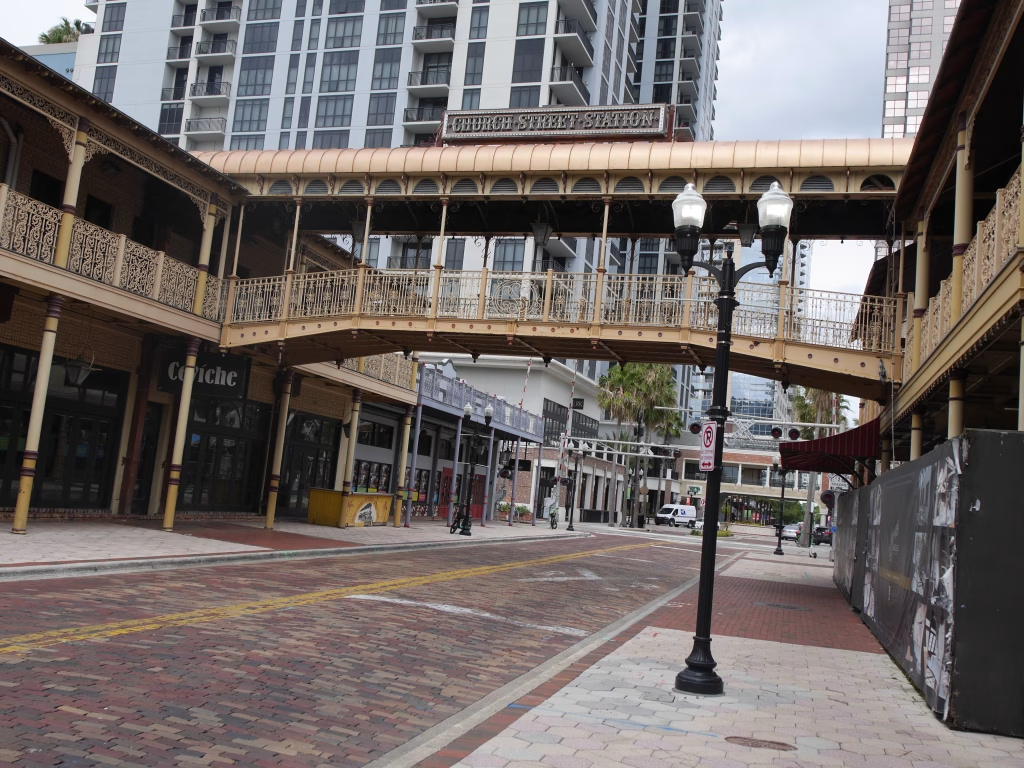


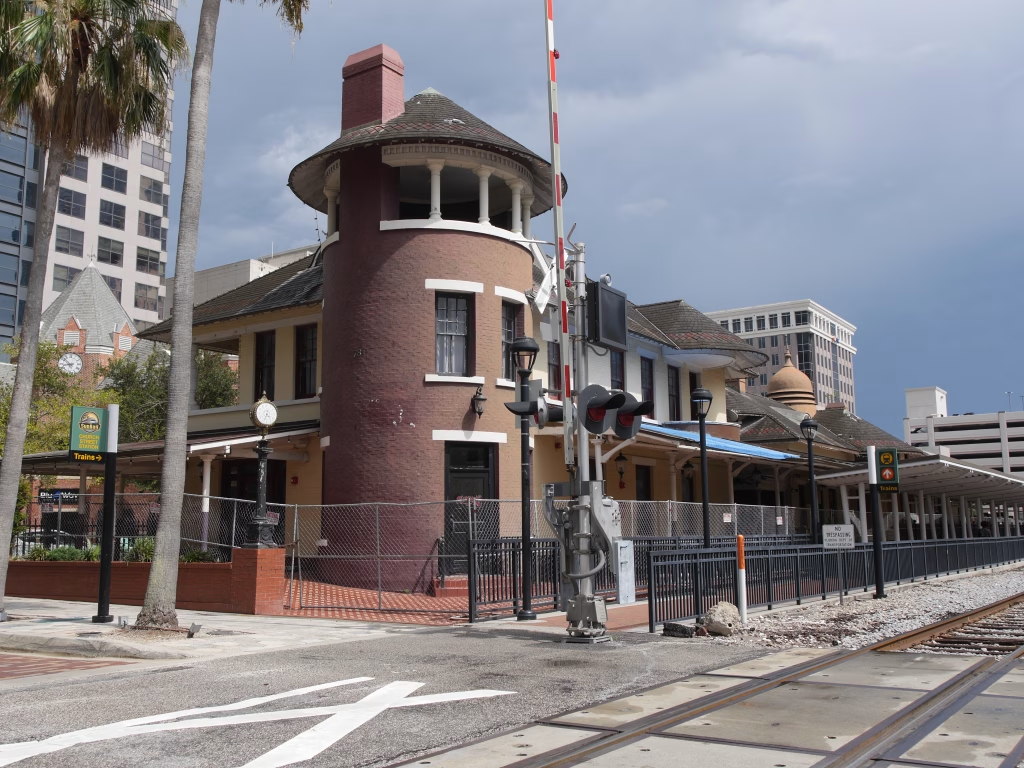
Orlando City Council approved a new tax incentive program on August 10 aimed at encouraging private investment in the renovation of historic buildings in downtown Orlando, a sugar-for-your-medicine measure to the historic preservation moratorium the council just passed in June.
The DTO Historic Redevelopment Incentive Program will give property owners a 10-year rebate of 50% to 75% on the increase in ad valorem taxes, paid to Orange County, the city and the Downtown Development Board, that results from qualifying renovations. The rebate applies only to the added tax revenue generated by the improvements, not to a property’s existing tax bill.
To qualify, a property must be a designated landmark or a contributing structure within the Downtown Historic District. Owners must submit an approved renovation plan that preserves historically significant street-facing facade features, complies with the Downtown Orlando Design Guidelines, puts the building back into active use, and includes a minimum investment of $5 million – which, as Commissioner Sheehan previously shared, does not apply to most projects moving into the downtown core.
The item, brought by the city’s Community Redevelopment Agency, was recommended for approval by staff contact Jamisha Bethel and was tied to District 5. The agenda summary says the program is meant to implement authority granted under Florida Statute 163.370(2)(c)(5), which allows redevelopment agencies to carry out voluntary building repair and rehabilitation programs.
The incentive program follows a more contentious move by the council in June, when it voted to temporarily suspend the certificate of appropriateness process for the Downtown Historic District, a roughly 80-building area created in 1980 that includes nine locally designated landmarks and a National Historic Landmark, seven of them along Church Street. During the three-year moratorium, exterior changes and demolitions in the district go through staff-level review and the Appearance Review Board rather than the Historic Preservation Board, which does not weigh historic preservation in its decisions and features board members with no historic preservation training.
That change drew opposition from the Historic Preservation Board itself, whose chair, Jeff Thompson, warned it could turn the district’s two- and three-story historic blocks into “soulless towers,” and questioned whether the district was really driving downtown’s vacancy problem given that vacancies are also common in newer buildings nearby. The Florida Bureau of Historic Preservation separately warned Mayor Buddy Dyer’s office that the city could fall into “bad standing” with the state, jeopardizing future grant funding, for not giving 30 days’ notice before changing the rules.
City officials framed the incentive program as the flip side of that policy, a way to reward owners who choose to restore historic buildings rather than demolish or alter them, even as the moratorium makes it procedurally easier to do the latter. The rebate program specifically requires preservation of street-facing historic features as a condition of eligibility, a requirement the paused certificate of appropriateness process would not otherwise enforce during the moratorium period.