


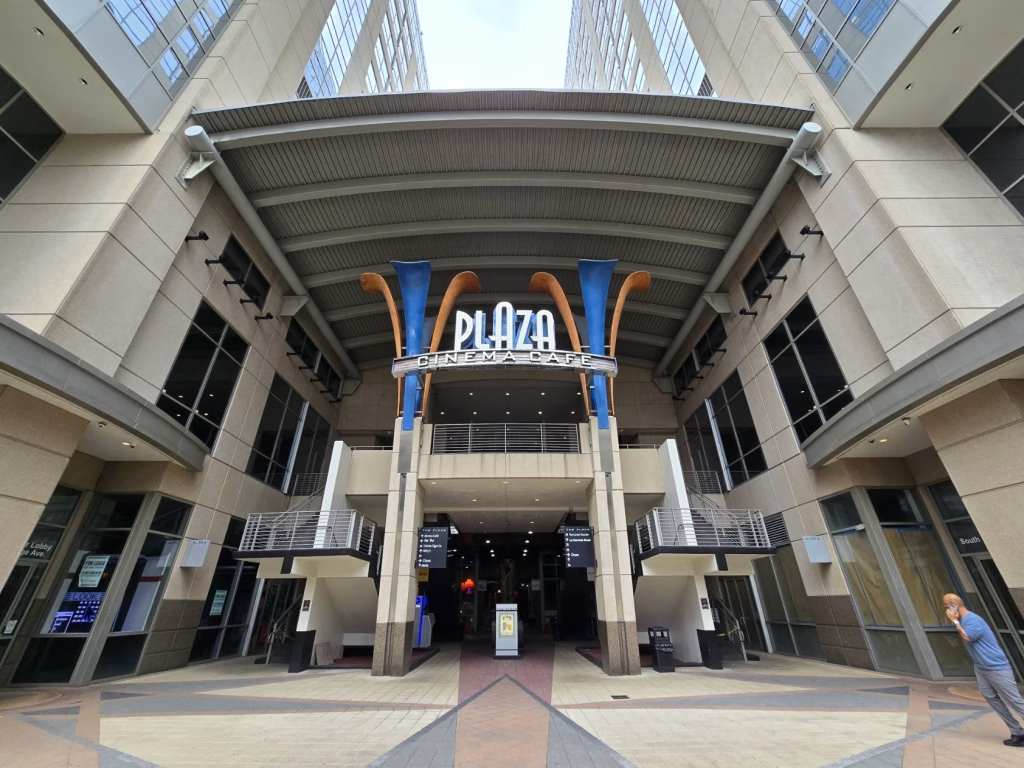
PHOTO VIA ZILLOW.COM
Orlando recently lost its only downtown cinema, leaving a gap that any truly vibrant city center should fill. A movie theater isn’t just a place to see films—it’s a cultural anchor that draws people in, supports nearby restaurants and bars, and keeps the streets alive after dark. Losing it is more than a missed night out; it’s a missed opportunity for downtown’s growth and character. In our new column, “Let’s Fix It,” we’ll tap into the creativity and expertise of industry leaders to reimagine what’s possible. Each installment will tackle a local challenge or opportunity—like bringing a cinema back downtown—and ask the pros how they’d “fix it” with fresh thinking, smart design, and bold ideas.
The business of independent movie theaters today is a mix of passion and adaptability. While streaming services have reshaped viewing habits, well-run independents are finding success by offering what audiences can’t get at home: curated film selections, community-driven programming, and immersive experiences that turn a night at the movies into an event. The most successful theaters are supplementing ticket revenue with creative food and beverage programs, private rentals, live events, and partnerships with local artists or festivals.
Theaters that lean into their role as cultural hubs, rather than just screens and seats, are proving that in the right hands, independent cinema can still thrive in a rapidly changing entertainment landscape. Check out this great feature by Vox before you hear from our esteemed experts on what they think could fix the former Plaza Cinema.
Ryan Young (LinkedIn), co-founder and CEO of Interstruct Design + Build (Website), has built his reputation on tackling challenging adaptive reuse projects that blend fresh vision with respect for a building’s history. His firm is known for transforming underused or overlooked spaces into vibrant, functional destinations that serve both the client and the community. With that skill set in mind, I asked Young how he might reimagine the Plaza Theater, exploring how thoughtful design could preserve the landmark’s character while giving it a new life and purpose.
“Lots of ideas come to mind. So, just to spitball a bit, I’d start with converting the lobby entry area into a cocktail bar with lounge seating only.”
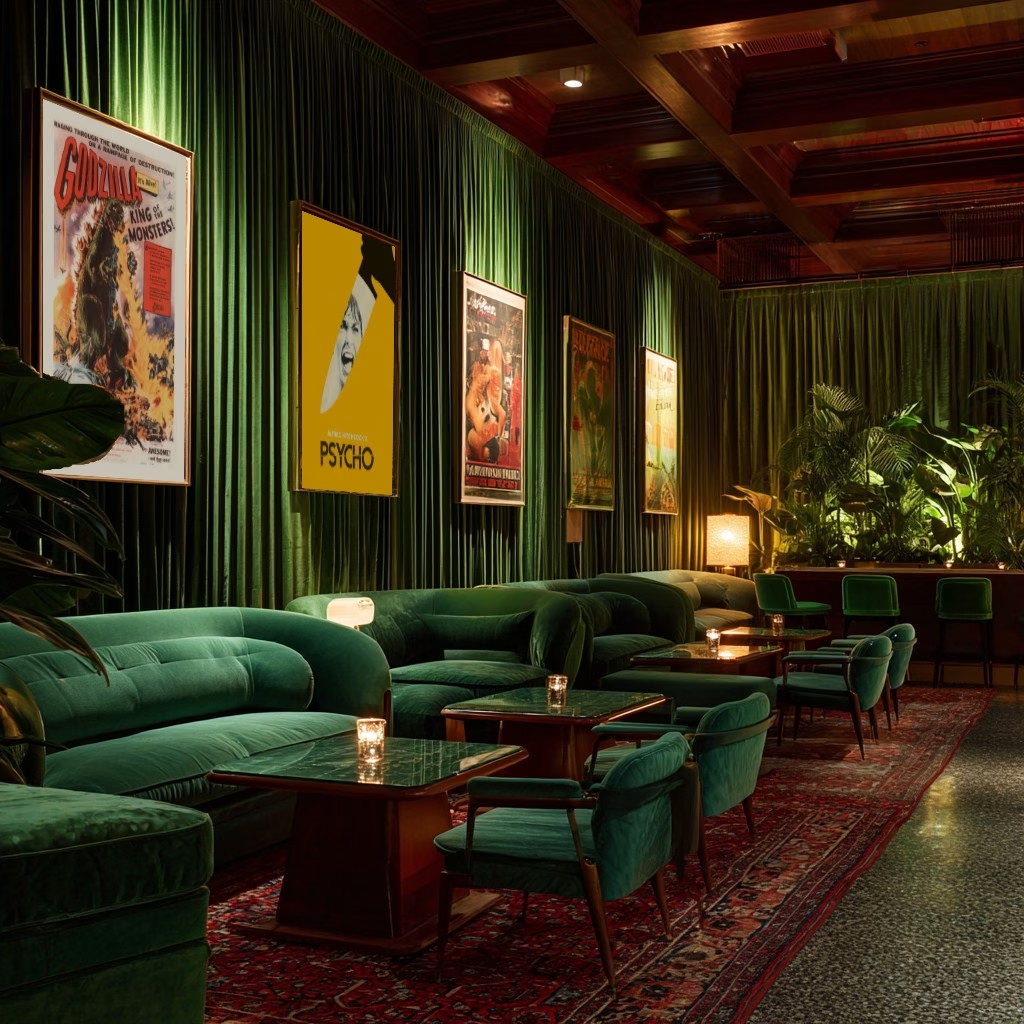
Transforming a cinema lobby into a stylish cocktail lounge can be more than just an aesthetic upgrade. It’s a strategic move that can enhance the guest experience and create valuable new revenue streams. The result can be a more vibrant, multifunctional venue that draws in a wider audience, keeps visitors on-site longer, and builds a stronger financial foundation. When the cinema first opened, it had bar areas at either side of the building, but they weren’t comfortable and were seldom used. Eventually, they were phased out.
Movie Theaters don’t make money from the tickets. Not really, anyway. Theaters typically keep only a small slice of box office sales in the first few weeks of a film’s release, with the majority going back to the studios. The real profits are in the concessions: popcorn, soda, and candy carry enormous markups and can account for 70–80% of a theater’s earnings. Premium formats (IMAX, 3D, recliner seating) and loyalty programs also help boost margins. In short, the movie keeps you in the seat — but the snacks keep the lights on.
“Sustainability and preservation are central to our approach to real estate and community development. In The Packing District, this is seen in the adaptive reuse of historic warehouse spaces, including the Juice Stand, Great Southern Box Co. Food Hall, and High Point Climbing & Fitness.
We’d take a similar approach with a closed movie theatre, honoring its history while ensuring long-term community benefit. Such spaces are often ideal for the arts and culture community, offering opportunities to host live performances, rehearsals, and other creative uses that meet community needs and deliver lasting social and economic impact.” – Ken Robinson, President & CEO of Dr. Phillips Charities
The following examples show how thoughtful design and adaptive reuse have turned moviegoing into a richer, more sustainable experience.
- The Rex (Website) in Berkhamsted, UK, transformed the ground floor of its building into a Gatsby-themed bar and restaurant that preserved its original details. Now guests enter through its historic foyer into a dining lounge.
- Arcata Theatre Lounge (Website) in Arcata, California, added a bar at the back of its auditorium to transform its cinema into a multipurpose venue to support concerts, stand-up, and film screenings.
- Operating as a functioning cinema, The Davis Theater (Website) in Chicago added Carbon Arc Bar and Board, a cocktail bar and full-service kitchen adjacent to the lobby. Visitors can exit the theater and immediately slide into an elevated bar experience, extending their time in the venue.
But Young wasn’t done there; he had a couple of more ideas that could help anchor the programming as well by uncovering some ignored aspects of the original design.
“I’d also convert two theatres on the SW and NW corners. Both are facing Orange Avenue with incredible glass windows that are covered. Uncover those windows and you’ll have an incredible feel of being on the edge of downtown, while hanging over the street. It’s a cool feel in these corners of the building. Concert the SW theater to have a large center bar and have seating all around. There’s a full-service kitchen already operable in the space, they could use it to serve this new bar/restaurant and cocktail area. I’d convert the NW theater into a multi-functional art and literature space. I love the idea of something like a Lectures on Tap (Website) series here, or possibly a partnership with Full Sail Universiy with a digital art gallery, like a small version of ARTECHOUSE (Website). Or you could possibly do a micro-Canyon (Website) idea with a few more converted theaters.”
In today’s cinema landscape, success isn’t just about what’s on the big screen — it’s about what happens around it. Active arts and event programming keeps theaters vibrant, relevant, and financially sustainable.
Chains like Alamo Drafthouse (Website) have built cult followings with quote-along nights, live podcasts, and chef-paired screenings. Nitehawk Cinema (Website) in Brooklyn fuses independent films with curated food and drink menus, while Secret Cinema (Website) in London stages immersive, theatrical events tied to blockbuster releases. Even major chains like AMC are experimenting with live concerts, esports, and streaming partnerships. The lesson? A cinema that doubles as a cultural hub that mixes art, community, and entertainment, is far more likely to thrive than one that just sells tickets to the same films you can watch on your couch in your underwear.
Alauna Friskics (LinkedIn) has built her career creating and leading dynamic arts programming, with a track record that includes serving as Executive Director of the Orlando Fringe Festival (Website) and as a leader at the Garden Theatre (Website) in Winter Garden. Her experience spans from producing large-scale cultural events, revitalizing performance spaces, and building strong community connections through the arts. Drawing on that background, I asked Friskics to share her ideas for the former Plaza Cinema space and how it might be reimagined as a vibrant cultural venue that engages audiences well beyond traditional moviegoing.
“I remember Plaza Cinema as being so shiny when it first opened and it was so exciting to go there to see a movie but it deteriorated so quickly over the years. It was so sad. There was no investment to keep it looking nice, and it made you want to go somewhere else. That was one big mistake. As for how I would program it, I’d focus on having a series of larger events to keep people’s attention. It’s tough to get people downtown right now so you need to make it flashy. It’d be fun to do rotating 5-minute performances in each theater one night where they’re on rotation and you can choose your path through the night to encounter different experiences in each theater. You could add food and make it themed, with three appetizer theaters, three dinner theaters, and three desserts, and it becomes a themed progressive dinner. Or just take it all and bring back Terror on Church Street.
When Winter Garden Theater first opened in 2008, the City wanted it to focus on being local and authentic. Something nostalgic and small town. I don’t think that would necessarily apply to downtown Orlando with how big it is, but you can still be authentic and big. You just have to find that downtown vibe and speak to it. The programming was multi-use, with theatrical productions coexisting with movie screenings, so you pulled in different audiences.
Parking is also important. We had parking a block away at the Fringe ArtSpace venue, but it just wasn’t convenient enough for some of our theater-going audience. The Plaza space has parking right behind it and elevator access but they need o make the wayfinding more intuitive as it can be a bit confusing. Access is so important.