



PHOTO BY 晓 和 VIA UNSPLASH.COM
Florida anglers will get a 14-day window to catch red snapper in Atlantic state and federal waters this fall, after NOAA Fisheries approved a revised permit for the season (after almost being canceled by a federal injunction).
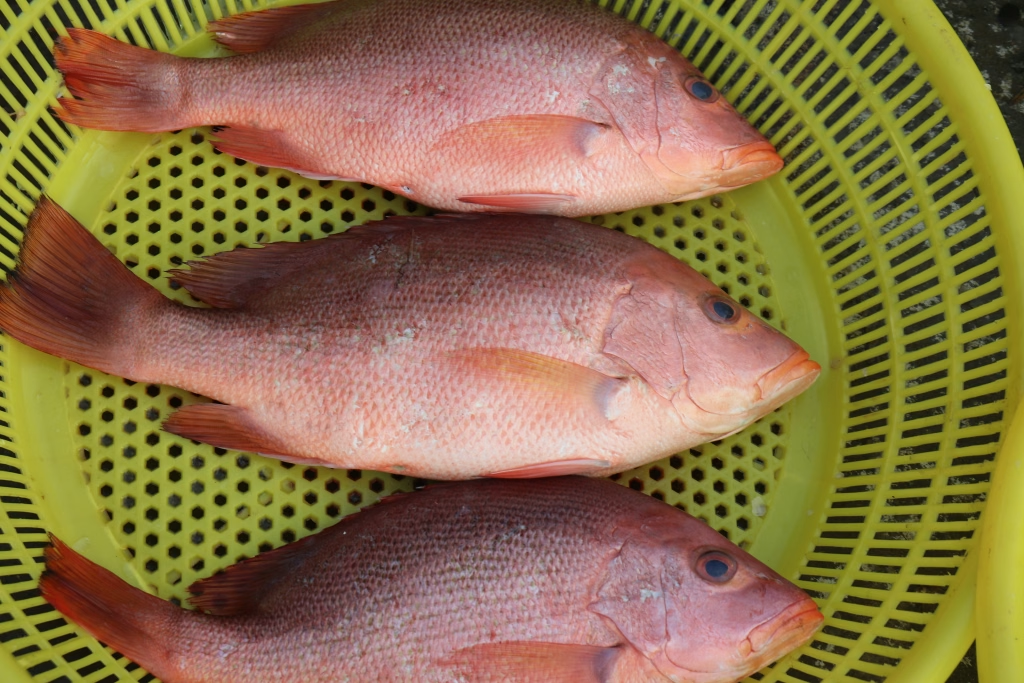
The season will run October 9 through October 22 and allow private recreational anglers and for-hire operations to harvest the (mildly sweet/slightly nutty-tasting) species. According to the announcement, anglers are limited to one red snapper per person, per day, with no minimum size limit. Hook-and-line fishing requires a single hook, though spearfishing is permitted, and for-hire captains and crew are not allowed to retain any red snapper they catch. A 10-fish snapper-grouper aggregate bag limit will also apply.
To qualify, anglers have to declare their trip through the Florida Fish and Wildlife Conservation Commission’s Atlantic Red Snapper Reporting app and carry a copy of the trip declaration and the Exempted Fishing Permit on board.
The 14-day window is a pretty significant expansion from last year’s season, which only lasted for two days. Florida had proposed a longer, 39-day season built around October weekends in May, but a federal court blocked that plan before NOAA approved the current 14-day stretch instead.
According to what we could glean online, last year’s two-day season came down to simple federal math. NOAA Fisheries relies on models that account for total catch, including fish caught out of season or under the legal size limit that later die after being released, known as “dead discards.” Those models showed anglers were on pace to hit the South Atlantic’s recreational catch limit almost immediately, so the agency capped the 2025 season at a single weekend to keep the harvest within quota.
This year’s 14-day window comes from a different approach: a pilot program that shifts some control from the federal government to the state. Florida officials have argued that federal stock data lags behind what anglers are actually seeing on the water, and the state initially pushed for a 39-day season this year, only for a federal judge to block it after environmental groups sued. NOAA Fisheries and the Florida Fish and Wildlife Conservation Commission settled on a compromise instead: a revised Exempted Fishing Permit that lets the state test its own data collection and management approach in both state and federal waters.
Because the season doubles as a test run, it comes with mandatory reporting requirements. Private anglers and charter captains must log their catches through FWC’s reporting system, data regulators will use to judge whether state-led management can hold up without pushing the species toward overfishing. If the results hold, it could pave the way for longer, more predictable state-managed seasons in future years.