



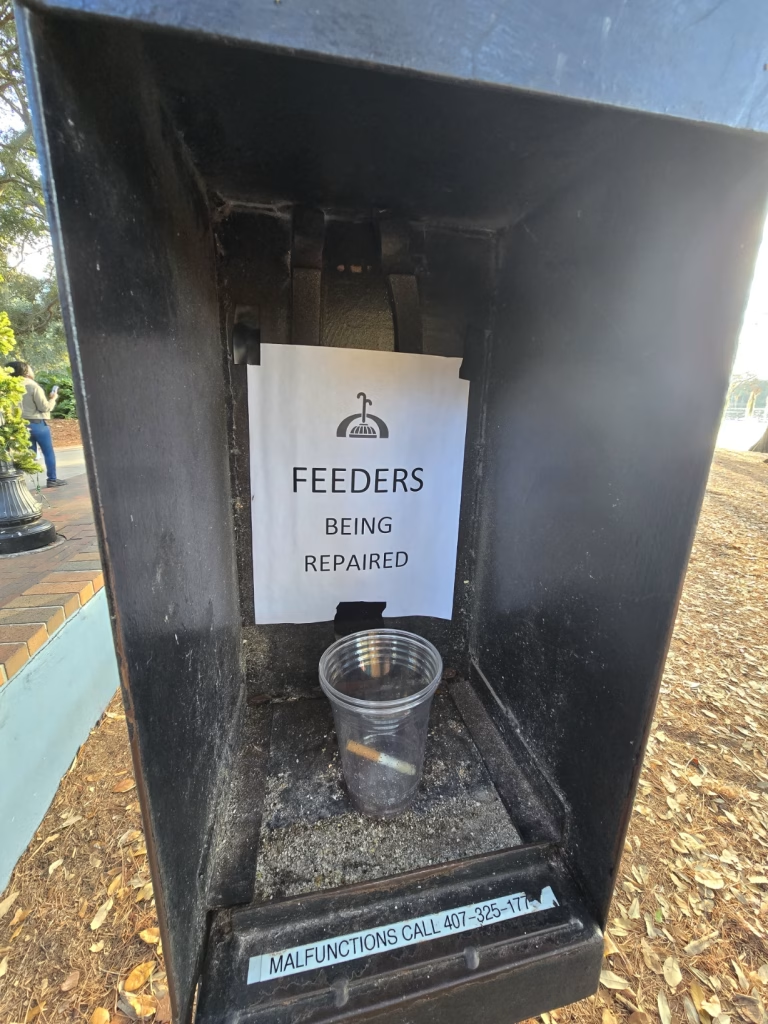
THE FEEDERS WERE PLACED "OUT OF SERVICE" IN LATE DECEMBER BUT ARE NOW OFFICIALLY NOT BEING USED.
Following our investigation into the deaths of an estimated 26 swans at Lake Eola Park and the questions it raised about the city’s management of its iconic swan program, the City of Orlando says it is still taking steps to address those concerns.
The Families, Parks, and Recreation Department says it is developing updated procedures and protocols for the continued care of the swans, reviewing all existing city protocols, and evaluating best practices from other cities and wildlife organizations. A formal proposal for the swans’ long-term care will be presented to city leadership in the coming months.
As an immediate step, the city transitioned to a “no feeding” policy for the public effective March 18, updating its park rules page and placing bilingual signage throughout the park in English and Spanish (the signage they placed during the holidays was just in English). The signs instruct visitors not to feed swans or other wildlife, to avoid close contact with birds, and to enjoy wildlife from a distance, noting that feeding wildlife can spread disease that affects both birds and people. They have removed the coin-operated public bird feeders in the park to reduce the number of birds congregating in one area, but will continue to provide floating feeders on the lake, operated by park staff.
The no-feeding policy aligns with what wildlife managers across the country consider a foundational best practice. According to Indiana’s Department of Natural Resources, feeding swans encourages them to linger in one area and can make them more aggressive toward people, particularly in locations where they have become accustomed to food handouts.
World Animal Protection has also noted that well-intentioned public feeding often does more harm than good, as human food tends to lack the nutrients birds need and can cause vitamin deficiencies, reduced immunity, and increased susceptibility to infection.
Swans are naturally foragers. They feed primarily on submerged aquatic vegetation, and wildlife researchers have documented that lakes with limited plant life can struggle to support even modest swan populations. An independent water quality expert quoted in our earlier investigation noted that Lake Eola is already impaired by excess nutrients and may be overpopulated with swans relative to its size. If regular chemical treatment of the lake is suppressing the plant life that swans would otherwise eat, which is why supplemental feeding is still required.