This Monday, Orlando City Council passed the first reading of an ordinance that would suspend historic preservation oversight in the Downtown Historic District for three years, advancing the proposal over the unanimous objection of the city’s Historic Preservation Board (which, despite opposition from a city attorney, made a motion to oppose the city’s proposed moratorium at its most recent meeting).
The measure passed with one dissenting vote, put forth by Commissioner Patty Sheehan, who represents District 4. Sheehan voted against it and called out city staff for not briefing the Historic Preservation Board before bringing the ordinance forward. A move we quoted a city official last week saying would be “not helpful.”
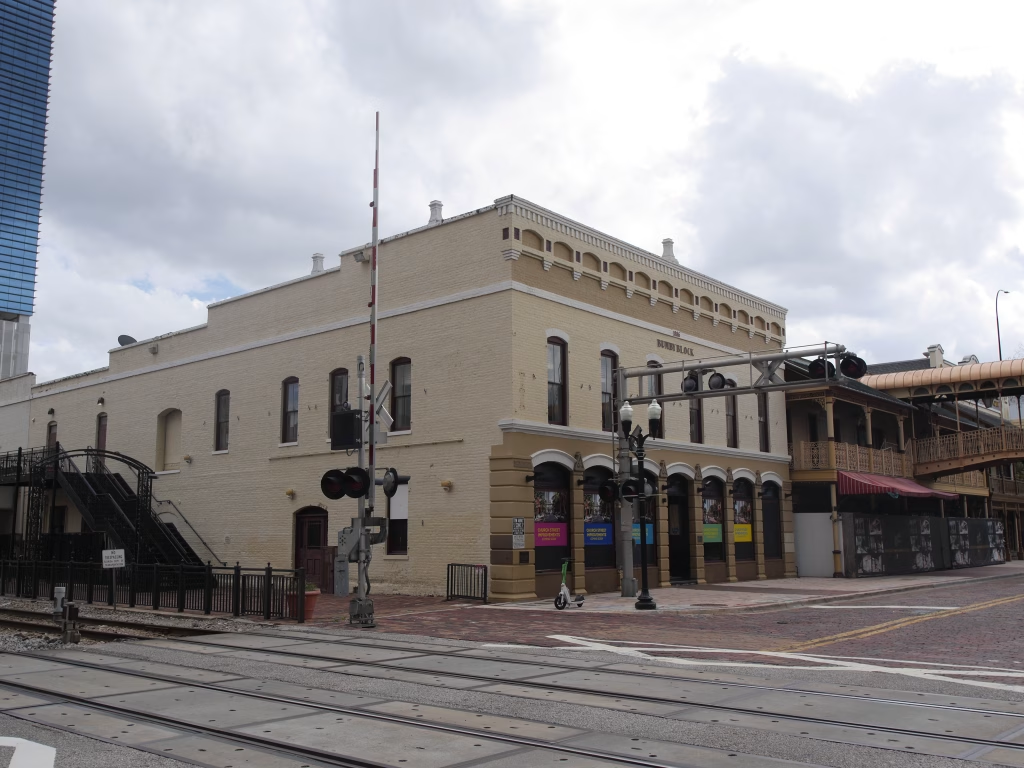
“Bob Snow is rolling over in his grave,” Sheehan said, referencing the entrepreneur who built the Church Street Station entertainment complex in the historic 1889 railroad depot.
If adopted, the new policy would pause Historic Preservation Board review of projects in the Downtown Historic District for 36 months, shifting oversight to the Appearance Review Board instead. The city says the change is needed to attract private investment to a corridor it describes as “stagnant,” noting that no development exceeding $5 million has been completed within the district’s boundaries in recent years despite more than $200 million in public investment in surrounding streets, parks and public spaces through the DTO Action Plan.
Mayor Buddy Dyer called the plan a potential “catalyst” for Church Street, once one of Orlando’s premier entertainment destinations before COVID-era closures accelerated its decline (compounded by the loss of surface parking under I-4 and the closure of the majority of its bars and nightclubs).
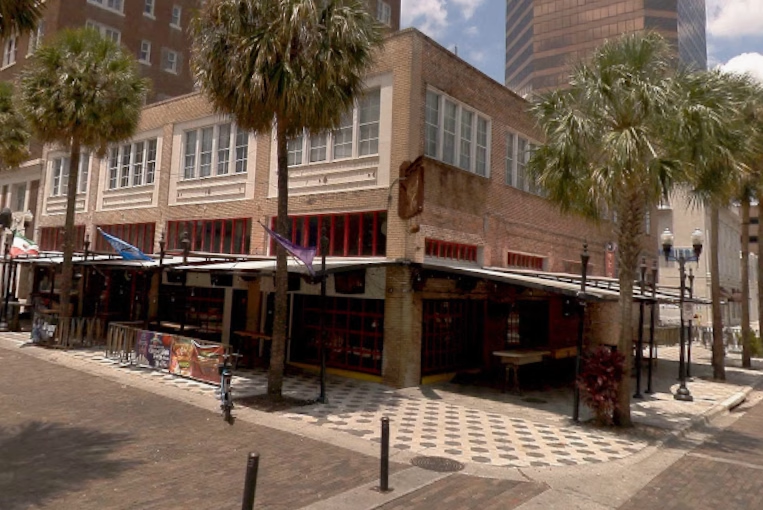
Preservation advocates have pushed back hard. HPB member Jeff Thompson, who has served on the board for nearly two decades under three mayors, said the board has not denied a single applicant within the district over the past five years and argued preservation should be seen as an economic asset, not a barrier. During the council meeting, fellow board member David Martens named specific properties he believes are now at risk, saying, “Do you want to be responsible for seeing the Metcalf building torn down, the Kress building torn down, Church Street Station torn down?” And while it may seem outlandish to think of a future downtown without the Kress building, we have it on good authority that its main tenant, Kres Chophouse, will soon undergo an expansion, though the details of that effort are still in development.
Critics in attendance also raised concerns about the speed of the process. The ordinance was made public June 3 and went before council just five days later, with the HPB notified less than a week in advance. One HPB member said the timeline “creates a sense of being sneaky.”
As an ordinance, the measure requires a second reading before it takes effect. That vote is scheduled for June 22, but if it passes again, it will be adopted immediately.
The Downtown Historic District was established in 1980 and covers eight blocks along Orange Avenue, taking in Church and Pine Streets and other properties through the city core, and it includes roughly 60 buildings constructed between the 1880s and 1940s.