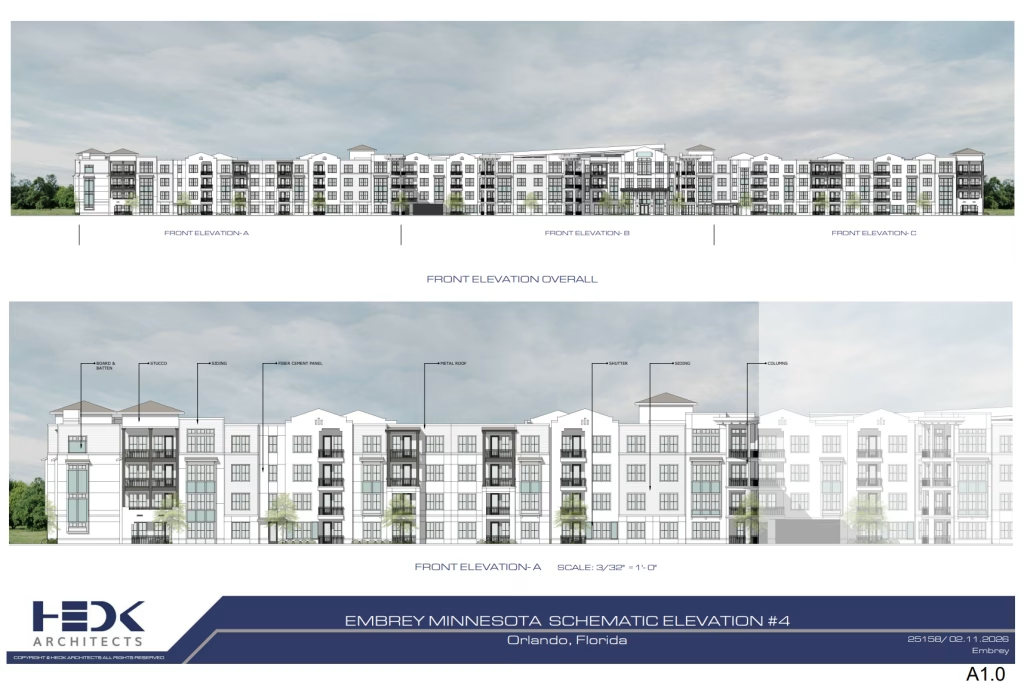




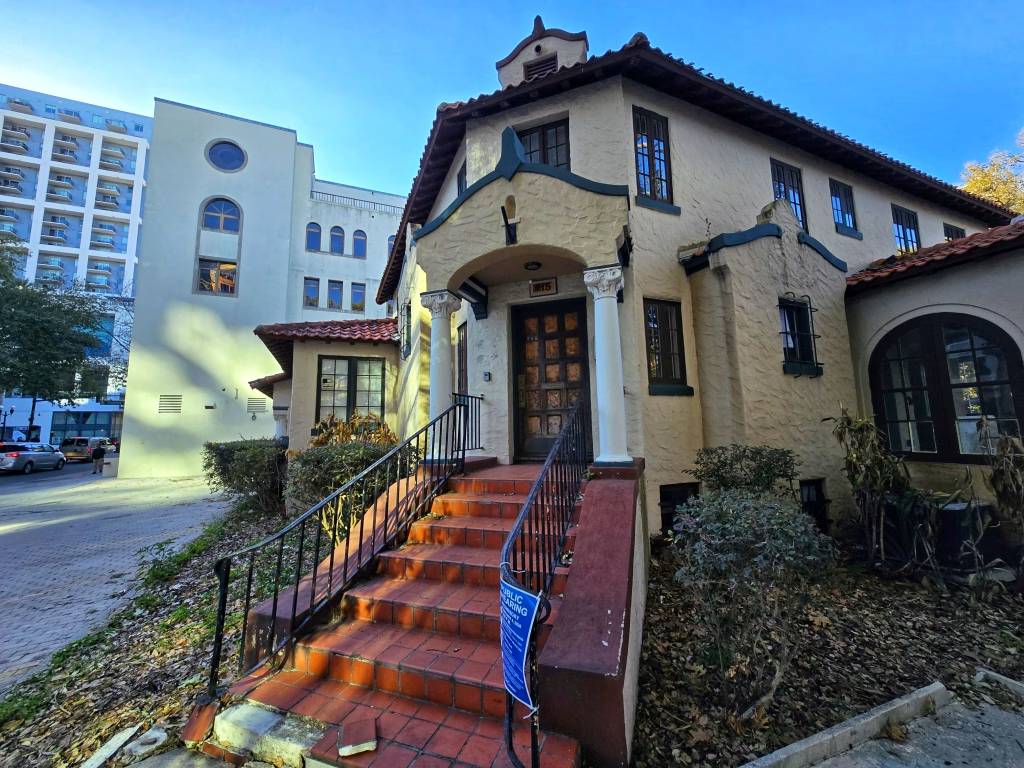
LUBBE HOUSE IN THE FOREGROUND, BUILDING TO BE RAZED TO THE LEFT/BACKGROUND
The Lubbe House won’t be getting formal historic protection, at least not yet.
Orlando city commissioners voted 6-1 Monday to deny landmark designation for the nearly 100-year-old Mediterranean-style home on the southwest edge of Lake Eola, overriding a recommendation from the city’s own Historic Preservation Board, which had backed the designation earlier this month, with Commissioner Patty Sheehan casting the only vote in favor.
As we reported back in February, when Mayor Buddy Dyer addressed the issue last month, the city had already hinted that this outcome was likely. Dyer said he does not support landmark designation, citing concerns about additional renovation costs and restrictions that come with that status, and that position held on Monday, with the bulk of the commission following his lead.
Dyer told commissioners the city still wants to do right by the building and will seek community input on its next chapter. He said it likely won’t be a restaurant or wine bar, but “something appropriate,” while upgrading the structure itself.
Preservationists have pushed back. Mark Line, a member of local preservation groups, argued that landmark designation would actually help the city financially by unlocking grant funding for restoration and pointing to the Black Bottom House of Prayer in Parramore, where a $500,000 grant covered major repairs after the roof caved in. Sheehan echoed that argument, saying, “We’re not thinking about the future, and that’s my concern,” she said, adding that she wanted official protection on the record rather than informal assurances.
Those informal assurances are now all that stands between the house and an uncertain fate. The city says it will study the building’s condition and gather community input on possible reuse, rather than clearing it right away. But without landmark status, there is no legal barrier to demolition if plans change.
The Lubbe House, designed by architect Peter Samwell, who also built the Park Plaza Hotel in Winter Park, was constructed with roof tiles imported from Holland, and much of its original window glass and interior woodwork remains intact.