



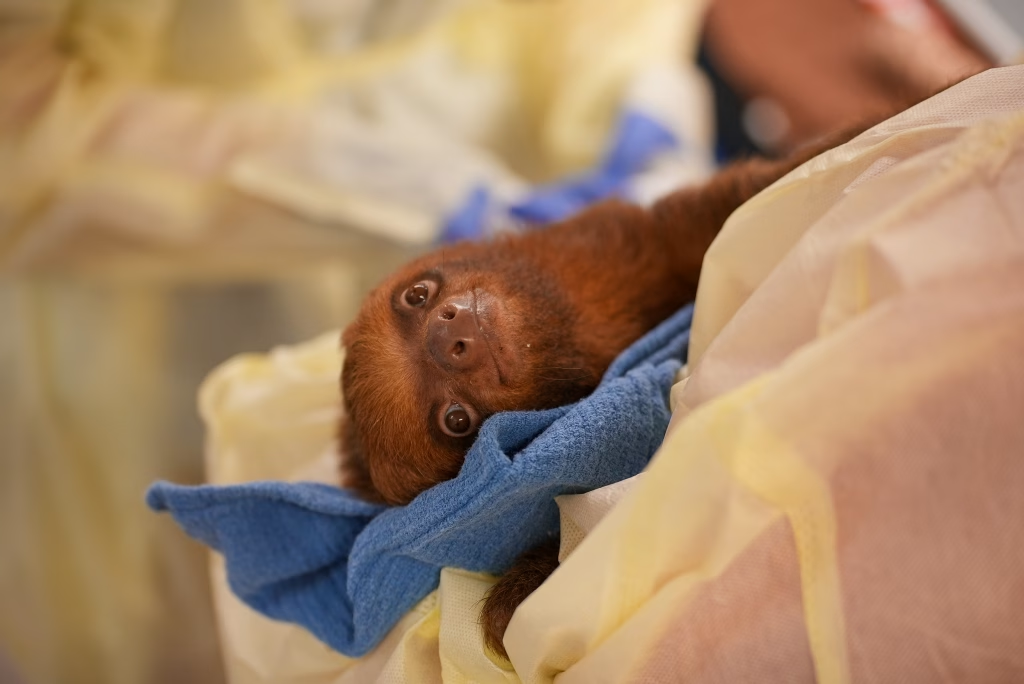
PHOTO VIA CENTRAL FLORIDA ZOO AND BOTANICAL GARDENS
Since we first reported that Sloth World was closing and its surviving sloths had been transferred to the Central Florida Zoo, the full scope of what happened at the Orlando attraction has come into sharper focus as more paperwork becomes public.
According to FWC inspection reports, death reports, and necropsy records reviewed by FOX 35, a total of 52 sloths died under Sloth World’s care. The animals came from multiple shipments out of South America, namely Guyana and Peru, and go back as far as late 2024.
The December 2024 shipment primarily died from suspected cold temperatures and illness after animals were brought into a warehouse that lacked electricity and water. Space heaters failed after tripping electrical circuits, and no overnight monitoring was in place. In February 2025, two sloths arrived from Peru already dead, while eight others were described as emaciated, and all of them eventually died.
The necropsy reports also put individual names to the losses.
- Flash arrived with GI issues, became weak and bloated, and died 13 days after arriving.
- Gator died on Christmas. Tugboat died on New Year’s Day.
- Snuggles’ mom Siesta died in December after being found on the floor of her cage.
- Three sloths — Snuggles, Chili, and Sonic — all died on the same day in March, with necropsy reports noting vitamin deficiencies.
At least 10 sloths had vet notes specifically mentioning they were fed brown rice. A veterinarian at the Central Florida Zoo said brown rice should never be part of a sloth’s diet.
The Sloth Institute (Website), which has been tracking the situation since January, has confirmed that an estimated 52 sloths have died under the care of Sloth World, and that some animals remain unaccounted for, with the numbers not matching what was originally imported.
State Representative Dr. Anna Eskamani has just sent a letter to Attorney General Uthmeier requesting a criminal investigation into Sloth World’s operators, citing potential violations of Florida’s animal cruelty statute and wildlife laws. The letter points to the pattern of deaths, substandard conditions, and ongoing regulatory deficiencies documented across multiple FWC inspections — and notes that despite all of it, only a verbal warning was issued after the August 2025 inspection, and that their permits had been renewed.
The Sloth Institute is also pushing for broader change, including a federal ban on importing wild-caught sloths for commercial purposes, stronger death-reporting requirements, and a Florida-level restriction on private sloth ownership. “It’s really quite shocking that this was able to happen under current laws,” the organization said.
The 13 sloths donated to the Central Florida Zoo last week arrived dehydrated and underweight. Most have improved, but one of the animals, named Bandit, had passed away at the time of this post. He was being monitored hourly, after showing signs of malnutrition and GI distress, and had not been able to climb to his perch since arriving.
The zoo says the sloths will remain in quarantine for at least 30 days before being placed with other accredited facilities. For those who would like to donate to the Zoo’s efforts, click here. The Zoo is a 501(c)(3) nonprofit, and donations help continue to provide the best care possible for these sloths in need.