

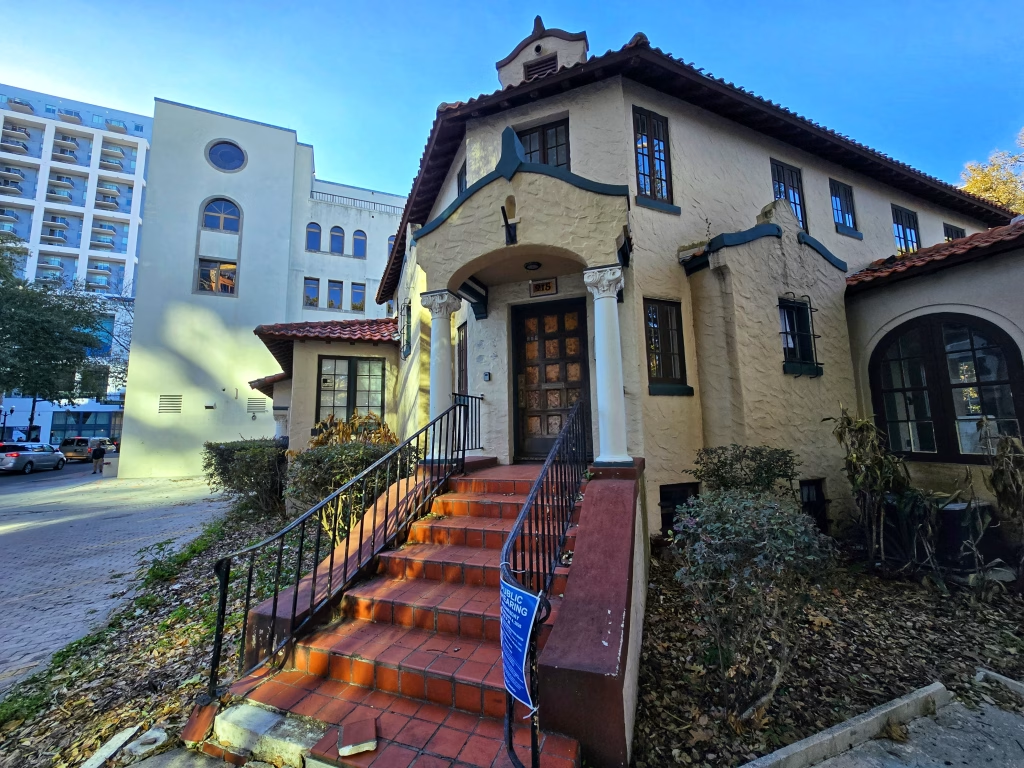
LUBBE HOUSE IN THE FOREGROUND, BUILDING TO BE RAZED TO THE LEFT/BACKGROUND
Orlando Mayor Buddy Dyer said the Lubbe House at Lake Eola will not be torn down, but he opposes efforts to grant it historic landmark protection. Dyer made the statement during a City Council meeting on Monday in response to concerns from residents and preservation advocates.
The Lubbe House sits at the southwest corner of Lake Eola Park near Rosalind Avenue and Central Boulevard at 215 E. Central Boulevard [GMap]. The Mediterranean-style building was built around 1930. “We are going to take a very comprehensive look at what it could be used for as part of the gateway project,” Dyer said.
The city purchased the house in March 2025 for $2.5 million as part of a park expansion project. The city plans to create a new signature entryway to Lake Eola Park with a plaza, shade structure, and direct view of the fountain.
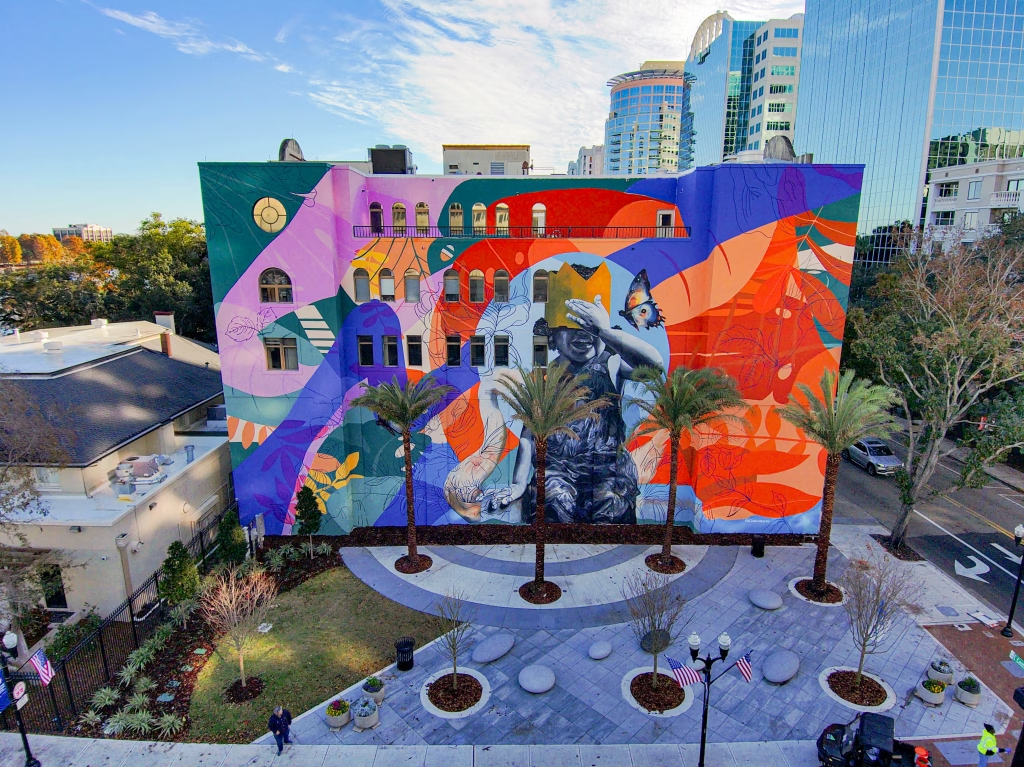
City Commissioner Patty Sheehan and several residents had expressed concern that the house could be demolished after city officials said renovations could be too expensive. A city-owned building next to Lubbe House, sporting a large-scale mural called “Achromatic Aria Fresco – An Ode to Harmony” painted by Red Tape Orlando (Instagram), is slated for demolition to make way for the new park entrance.
The Orange Preservation Trust filed a petition to have the house designated as a landmark. Landmark designation would prevent the city from demolishing the structure, but Dyer said he does not support the landmark designation effort because it would mean more costs for the city.
Raymond Cox, a member of the Orange Preservation Trust, said he would remain on “high alert” until the house makes it through a physical assessment. He said there is always the possibility of a last-minute claim that the structure is unsafe or too expensive to rehabilitate. Cox said landmark designation would have benefits for Orlando. The designation would allow the city to obtain grants and to waive certain building codes during renovation.
The Historic Preservation Board was scheduled to hear the landmark designation request in February, but the hearing was delayed until March.
The Lubbe House was designed by architect Peter Samwell, who also designed the Park Plaza Hotel in Winter Park. The house features roof tiles imported from Holland and most of the original window glass and interior woodwork still remain intact. The home was built on land sold to the Lubbe family by James Thornton, the developer behind Thornton Park, and is the last remaining private home built directly fronting Lake Eola.
Early conceptual drawings for the park expansion included the Lubbe House as part of the design. More recent discussions have suggested the house could be demolished to allow for a larger dining or commercial facility.
The gateway project is expected to be completed in the next year or two. A timeline for the demolition of the adjacent building is not public at this time.