


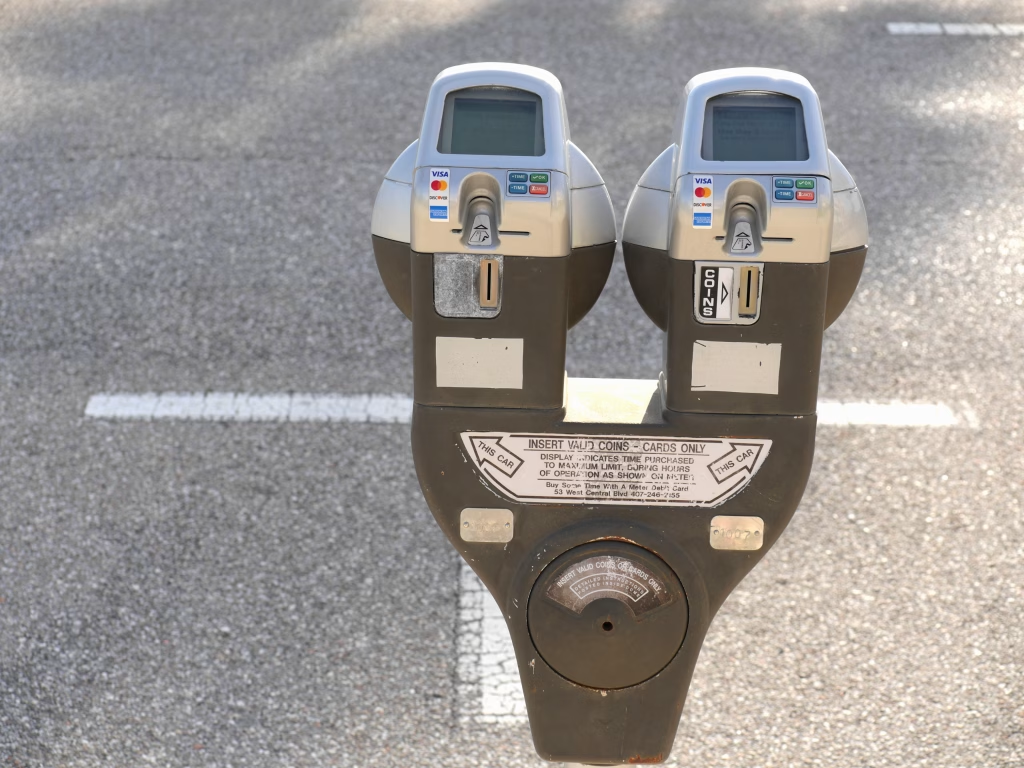
Orlando is pulling its downtown parking meters this week and replacing them with a fully digital payment system. That means no cash, no coins, and no alternative for drivers who don’t have a bank card or smartphone (other than a parking garage, that is).
Meter removal began this week in SoDo and the Orlando Health area, with South Eola and the remaining downtown blocks to follow throughout the summer. Once the meters come out, drivers have three options: the ParkMobile app, Pay by Text, or a toll-free hotline at 877-727-5714. All three require a credit or debit card.
Orlando has partnered with ParkMobile since 2015 and first piloted meterless parking in Creative Village in 2019, but the recent downtown rollout makes it the exclusive payment method for all on-street parking across the city.
The parking rate goes to the city. ParkMobile collects a separate service fee from the driver on top of the parking charge, averaging around $0.35 to $0.50 per transaction or roughly 15% of the parking cost. Fee structures vary by city contract. We’re unsure of Orlando’s specific contract.
Every driver using the system provides their name, email address, phone number, credit card information, license plate number, mailing address, and precise location data including where they park, when, and for how long. A mobile security analysis by NowSecure found the app requests location access at all times, including in the background, and also requests camera access. The analysis flagged sensitive data collection and a discrepancy between the app’s stated privacy declarations and its actual detected permissions. The combination of license plate data and location history creates a detailed picture of a driver’s movements around the city.
ParkMobile suffered a major data breach in 2021 that exposed the personal information of more than 21 million users, including email addresses, phone numbers, license plate numbers, and mailing addresses. The data was listed for sale on a Russian crime forum. Courts described the company’s handling of user privacy as “reckless, or in the very least, negligent,” and the company was forced to settle a class action lawsuit for $32.8 million.
Changes will go into effect on October 1, along with on-street enforcement extending to 8 p.m. daily except Sundays and City holidays, and the basic violation fine will rise from $20 to $25. Rates shift to a progressive structure starting at $2 per hour for the first two hours and climbing to $5 to $6 per hour in some zones. The City Council approved both changes unanimously in June.