




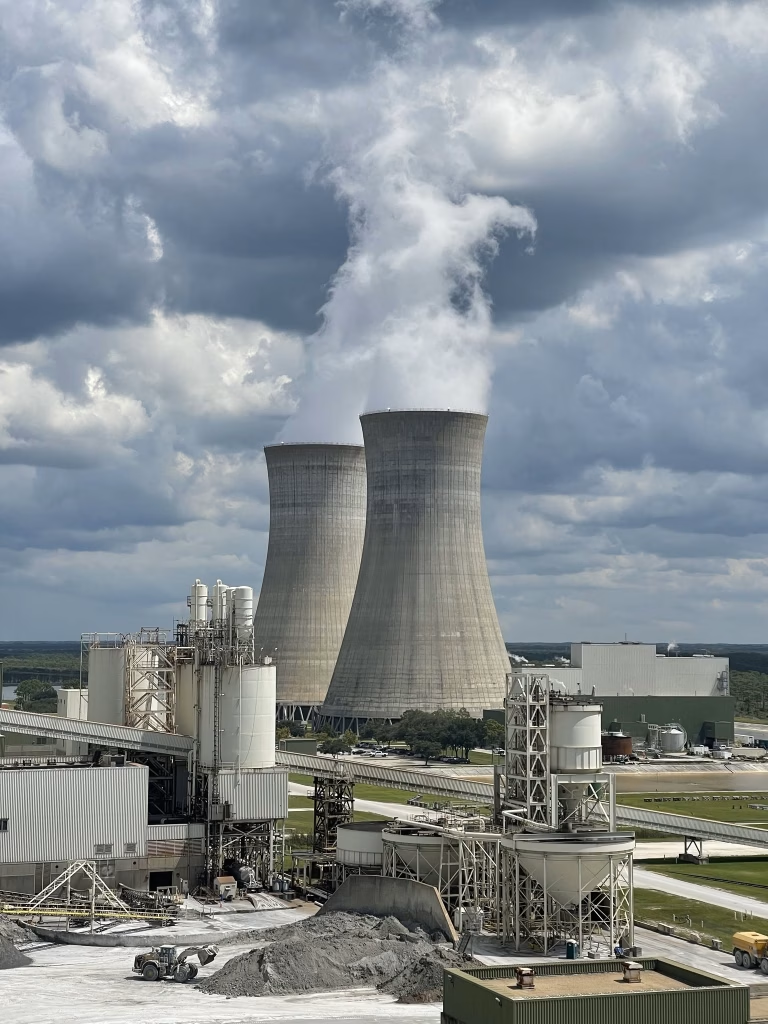
PHOTO VIA THE FLORIDA MUNICIPAL ELECTRIC ASSOCIATION FACEBOOK PAGE
The U.S. Department of Energy ordered the Orlando Utilities Commission (Website) on Thursday to continue running its 465-megawatt Stanton Unit 1 coal plant instead of placing it in “cold shutdown,” which had been the utility’s (very public) transition plan since 2020. The order came the same day the Trump administration announced $850 million in funding to support coal-fired power plants and the coal sector.
The 90-day emergency order, which runs through September 1, actually contradicts the North American Electric Reliability Corp.’s assessment that Florida faces “normal risk” for long-term energy adequacy. But the DOE said the unit is needed to support potential data center expansion in Florida. U.S. data centers drew approximately 176 terawatt-hours of electricity each year, and projections indicate demand could more than double by 2030.
OUC had been preparing to convert Stanton’s two coal units to natural gas or shut them down, and in 2021, the utility purchased the 475-megawatt Osceola peaking power plant as a more flexible backup. In an annual filing with the Florida Public Service Commission, OUC stated that its current resources “are projected to have adequate capacity to satisfy forecast reserve margin requirements through 2035.”
Stanton Unit 1 produced 296,856 megawatt-hours in the first quarter of 2026, down 32 percent from 436,796 megawatt-hours in the same period last year, according to the U.S. Energy Information Administration.
OUC said it will comply with the order and delay placing the coal unit in cold shutdown.
“In response to this federal directive, the Orlando Utilities Commission (OUC – The Reliable One) will not be able to place Stanton Energy Center Unit 1 into extended cold shutdown at this time. Additionally, OUC will fully comply with the order while continuing to prioritize the safe and reliable delivery of electricity to our customers and community.”
– OUC STATEMENT
Representative Dr. Anna V. Eskamani said the order will raise costs for Orlando families.
“Orlando families are already stretched thin by the cost of living, and now the federal government is forcing them to pay even more to burn coal, which we were finally ready to leave behind,” Eskamani said in a statement. “Coal is one of the most expensive ways OUC produces electricity, and under this order, those costs get passed straight to ratepayers. So Orlando families will see it on their bills, paying a premium to keep an aging coal plant alive.”
Eskamani called the decision inconsistent with local planning. “This is the same week the Trump administration announced $850 million to prop up the coal industry. They are spending public money to subsidize the dirtiest, costliest form of power we have—the exact thing we should be moving away from—while working families foot the bill.”
She called on the federal delegation to reverse the order so Orlando can move toward cleaner energy.
The DOE order is part of a series of similar 90-day orders affecting six other power plants, including five coal-fired generators. The agency has reissued the orders before previous ones expired. The DOE says section 202(c) emergency orders don’t require imminent threats but can address conditions likely to continue in future years.